Unlocking Efficiency with Design Systems: A Guide for Digital Agencies
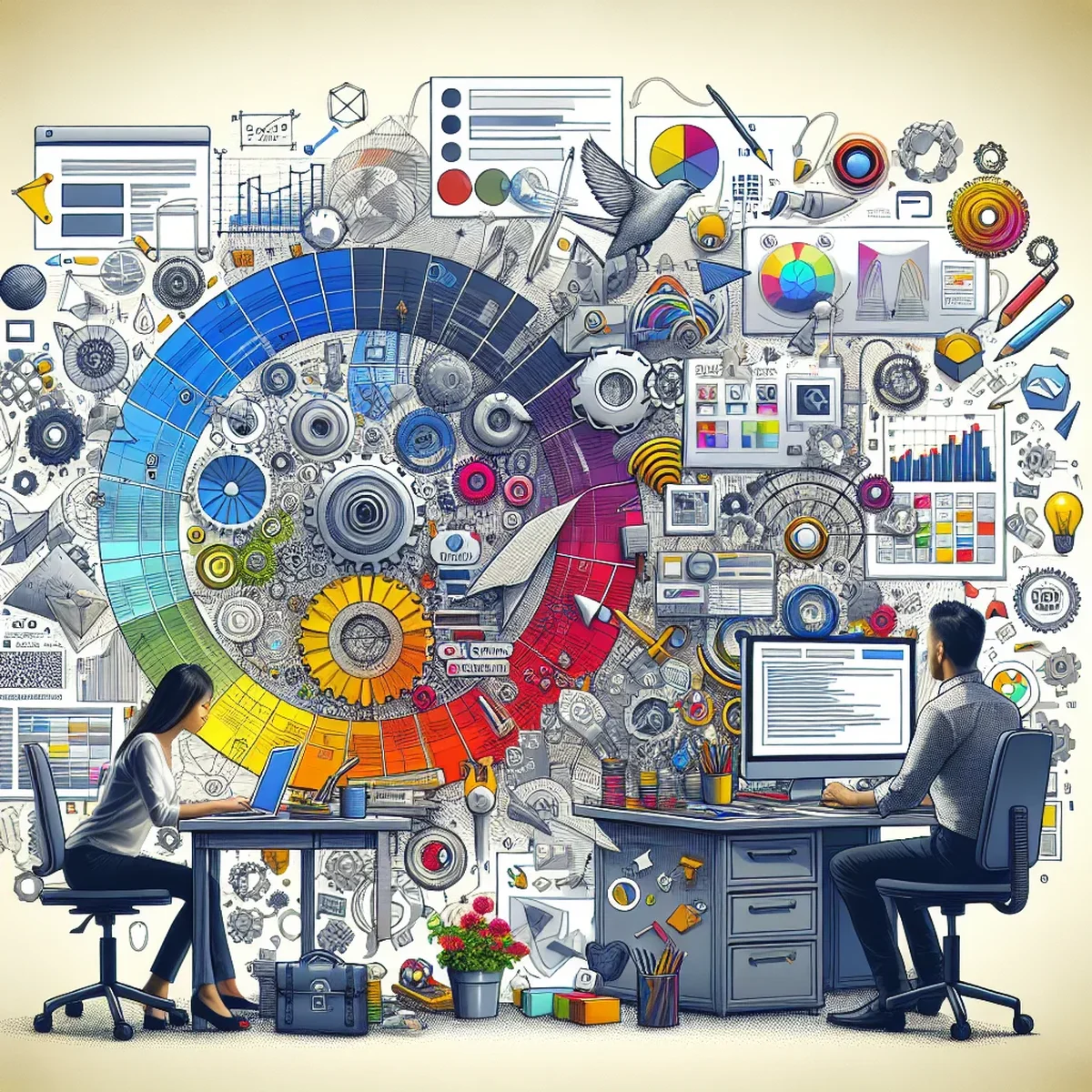
In the fast-paced world of digital marketing and web development, efficiency and consistency are the keystones of success. A well-implemented design system can be a game-changer for a digital agency by streamlining project workflows and ensuring a cohesive user experience. But what exactly is a design system, and how can it benefit your business? Let’s dive in.
Understanding Design Systems
A design system is not merely a collection of reusable components or a set of style guides. It is a comprehensive set of standards intended to manage design at scale by reducing inconsistencies and streamlining collaboration among team members. Essentially, it includes the following elements:
- Style Guide: The visual reference for branding that includes colors, fonts, and other design elements.
- UI Kit: A collection of predesigned components such as buttons, checkboxes, and sliders that can be reused across different parts of a project or even different projects.
- Pattern Library: Documented and reusable design patterns that help solve common UI/UX problems.
- Documentation: Clear and concise guidelines that explain the usage of UI components and design patterns.
Benefits of Implementing a Design System
Streamlined Collaboration
When team members use a unified design language, there is less ambiguity and a greater emphasis on innovation rather than reinvention. Design systems provide a shared knowledge base and tools that help both new and seasoned team members make informed design decisions quickly.
Increased Efficiency
With components and guidelines clearly defined, teams spend less time reinventing the wheel and more time optimizing the user experience. This efficiency not only speeds up the design process but also reduces the time to market for new products and updates.
Consistent User Experience
A consistent user experience is crucial for brand recognition and user satisfaction. Design systems ensure that all elements of a product or service are consistent, no matter who in the team is working on them. This consistency extends across different platforms and devices, providing a seamless experience for all users.
How to Build a Design System
Building a design system from scratch might seem daunting, but with a structured approach, it can be straightforward. Here’s how to get started:
- Audit Existing Components: Review your existing designs and interfaces to identify what can be standardized and reused.
- Define Your Design Principles: Establish core principles that reflect your brand’s ethos and support your business goals.
- Create UI Components and Patterns: Develop the UI toolkit and pattern library based on the principles defined.
- Document Everything: Ensure that all components and usage guidelines are documented. This documentation should be easily accessible and understandable to all team members.
- Implement and Evolve: Roll out the design system for new projects and refine it based on feedback and new requirements.
Real-Life Examples of Effective Design Systems
Many leading digital agencies and tech companies have leveraged design systems to great effect. For instance, Airbnb’s design system, known as "DLS" (Design Language System), helps them manage a massive portfolio of products and experiences consistently. Similarly, IBM’s "Carbon Design System" is integral in managing their expansive product and service offerings across different industries.
Conclusion
For digital agencies looking to scale their operations and improve product quality, adopting a design system is a strategic move. While the initial setup requires time and effort, the long-term benefits of having a standardized, streamlined design approach are invaluable. Not only does it lead to better products, but it also fosters a collaborative and innovative team culture.
Embrace the power of design systems and watch your agency grow in capabilities and efficiency, delivering consistently excellent results for clients every time.
FAQ
- Why should a digital agency invest in a design system?
- A design system saves time and resources by standardizing design elements, which enhances consistency across projects and improves team collaboration.
- How does a design system impact client satisfaction?
- By ensuring consistent and high-quality deliverables, design systems help maintain a strong, professional brand image, which increases client trust and satisfaction.