Understanding the Shadow DOM: A Guide for Web Developers
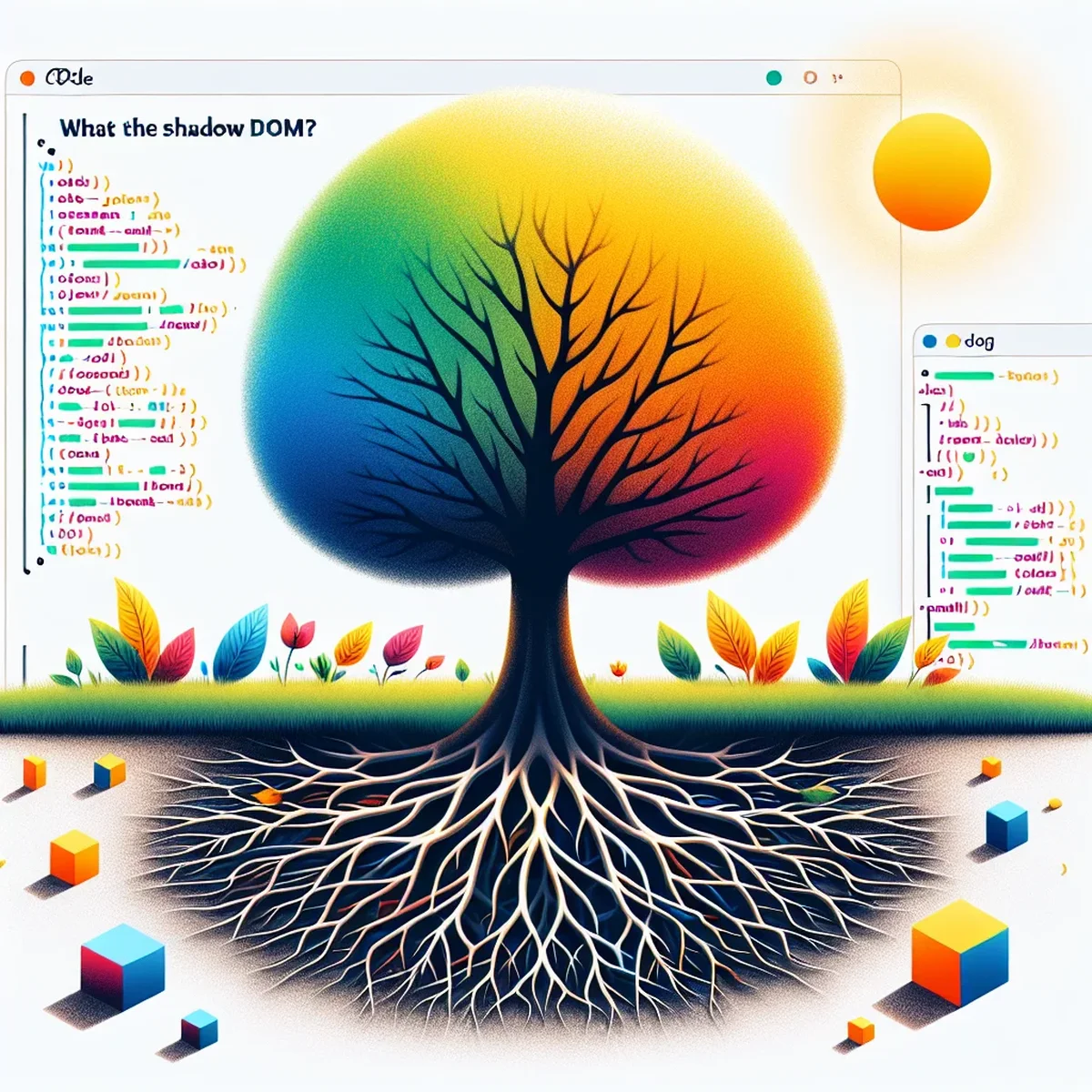
The Shadow DOM represents a critical concept in modern web development, particularly for developers aiming to create robust, maintainable applications. This guide will dive deep into what the Shadow DOM is, its advantages, and practical applications in web projects.
Introduction to the Shadow DOM
At its core, the Shadow DOM is an API part of the larger suite of web components technology, allowing developers to encapsulate their HTML markup, styles, and scripts into isolated components. This encapsulation means that the components' internal features do not clash with or influence the main document, or other components.
The Basics of Encapsulation
Encapsulation is a fundamental principle in software engineering, and the Shadow DOM brings this concept into the web world. By allowing developers to keep the structure, style, and behavior of components private, the Shadow DOM provides a way to safeguard component integrity and prevent external manipulation.
How the Shadow DOM Works
To understand how the Shadow DOM operates, it's essential to compare it with the regular DOM:
- Regular DOM: The regular Document Object Model (DOM) is a tree-like structure that represents the document in the browser, making every element accessible and modifiable via JavaScript and CSS.
- Shadow DOM: The Shadow DOM also creates a DOM tree, but it's attached to an element as a hidden, separate subtree, allowing styles and scripts to be scoped to that subtree and not bleed out.
Practical Example
Consider a custom HTML element <custom-datepicker>. Without the Shadow DOM, styles applied inside this component might inadvertently affect other elements on the page if not carefully managed. However, with the Shadow DOM, the CSS defined inside <custom-datepicker> affects only that component, regardless of the same CSS classes being used elsewhere in the application.
Benefits of Using the Shadow DOM
The adoption of the Shadow DOM in web projects offers several benefits:
- Style Scoping: CSS defined inside a shadow DOM does not affect anything outside of it, thereby simplifying CSS management and avoiding conflicts.
- DOM Isolation: JavaScript within a shadow DOM does not interact with the main document's DOM, which enhances security and modularity.
- Reusability: Components designed with the Shadow DOM are more portable and easier to share across different projects without worrying about existing styles or scripts.
Challenges and Considerations
While the Shadow DOM brings numerous advantages, it also presents challenges that developers need to consider:
- SEO Implications: Content inside the Shadow DOM might not be easily accessible by search engine crawlers, potentially affecting the SEO performance of web pages.
- Browser Compatibility: Older browsers might not fully support the Shadow DOM, or require polyfills to function correctly.
Conclusion
The Shadow DOM is a powerful tool in the arsenal of a web developer, promoting better encapsulation and style management. As web applications grow in complexity, understanding and implementing the Shadow DOM can significantly improve the quality and maintainability of your projects.
By embracing this technology, developers can ensure that their web components are both robust and consistent, making their applications more reliable and easier to scale.
FAQ
- What is the Shadow DOM and why is it important for web developers?
- The Shadow DOM is a web standard designed to help developers encapsulate their HTML, CSS, and JavaScript, allowing for more modular and reusable code.
- How does the Shadow DOM differ from the regular DOM?
- Unlike the regular DOM, the Shadow DOM allows for the creation of hidden, encapsulated document trees, preventing styles and scripts from leaking out or clashing with other parts of the document.