Understanding the MVC Pattern: A Guide for Modern Web Development
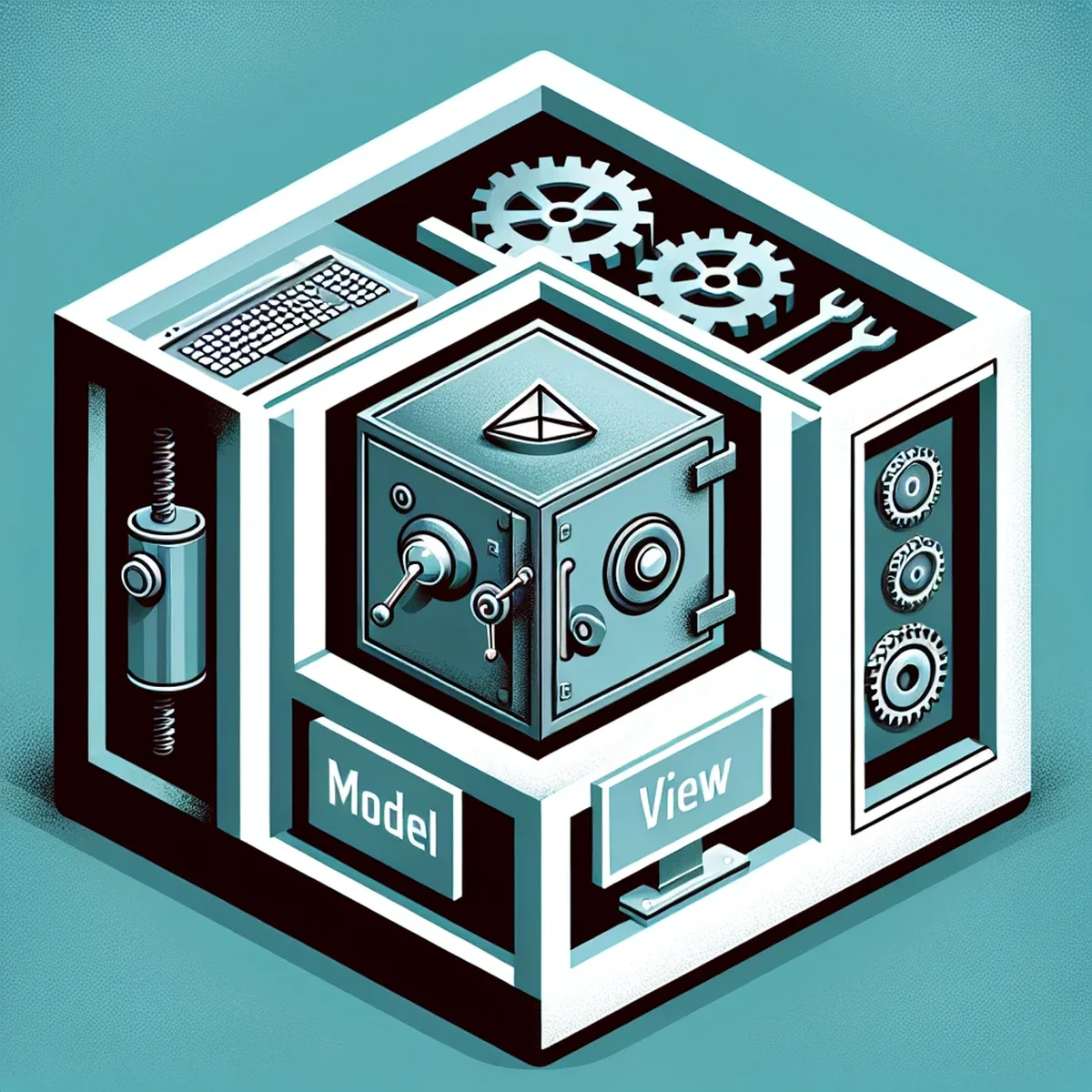
The Model-View-Controller (MVC) pattern is a pivotal concept in software design, particularly in the realm of web development. This architectural pattern divides the related program logic into three interconnected elements. This separation helps manage complexity and enhances scalability and maintainability—key concerns for any digital business today.
Breaking Down the MVC Components
To fully grasp the MVC pattern, it's crucial to understand each component's role within the framework:
Model: The Data Center
The Model component represents the application's dynamic data structure, independent of user interfaces. It directly manages the data, logic, and rules of the application.
View: The User Interface
Views are the components that display the model's data to the user. A view extracts information from the model and presents it in a format suitable for interaction, typically a user interface element like HTML pages.
Controller: The Intermediary
Controllers act as an intermediary between the Model and the View. They receive all user input and initiate responses by making calls to model objects and selecting views for presentation.
Advantages of MVC in Web Development
Adopting the MVC pattern can significantly benefit web development projects:
Enhanced Separation of Concerns
By segregating the application into three core components, MVC allows developers to modify or develop aspects of an application independently of each other. This separation facilitates easier maintenance and scaling of the application.
Increased Flexibility and Scalability
Each component of the MVC pattern can be scaled or updated independently, allowing for more flexible response to changes or growth in application demand.
Improved Collaborative Development
Since components are separated, different development teams can work simultaneously on the model, view, and controller, speeding up the development process.
Practical Examples in MVC
To illustrate MVC in action, consider a web-based e-commerce application:
- Model: Manages product inventory, user profiles, and other data.
- View: Displays products and user information in a web browser.
- Controller: Handles requests for adding a product to a shopping cart or updating user profiles.
Tips for Implementing MVC
Here are several tips for effectively implementing the MVC pattern in your projects:
- Clearly Define Component Roles: Ensure every team member understands what each component should do to avoid functionality overlap.
- Use Frameworks that Support MVC: Frameworks like Angular for JavaScript and Django for Python are built with MVC-like structures which can simplify implementation.
- Keep Components Independent: Avoid dependencies between the components to maintain the pattern's benefits.
Conclusion
The MVC pattern is more than just a structural framework; it's a strategy to enhance web application development and management. By understanding and implementing MVC, agencies and digital businesses can improve their development practices and create robust, efficient digital solutions.
Embracing MVC could be your step towards more structured, maintainable, and scalable web development processes.
FAQ
- What is the MVC pattern used for in web development?
- The MVC pattern is used to separate the application's concerns into three interconnected components, making it easier to manage and scale web applications.
- How does the MVC pattern improve web application performance?
- By separating concerns, MVC allows for more efficient code management and quicker troubleshooting, which can lead to improved performance and easier maintenance.