Understanding Servers: Your Gateway to the Digital World
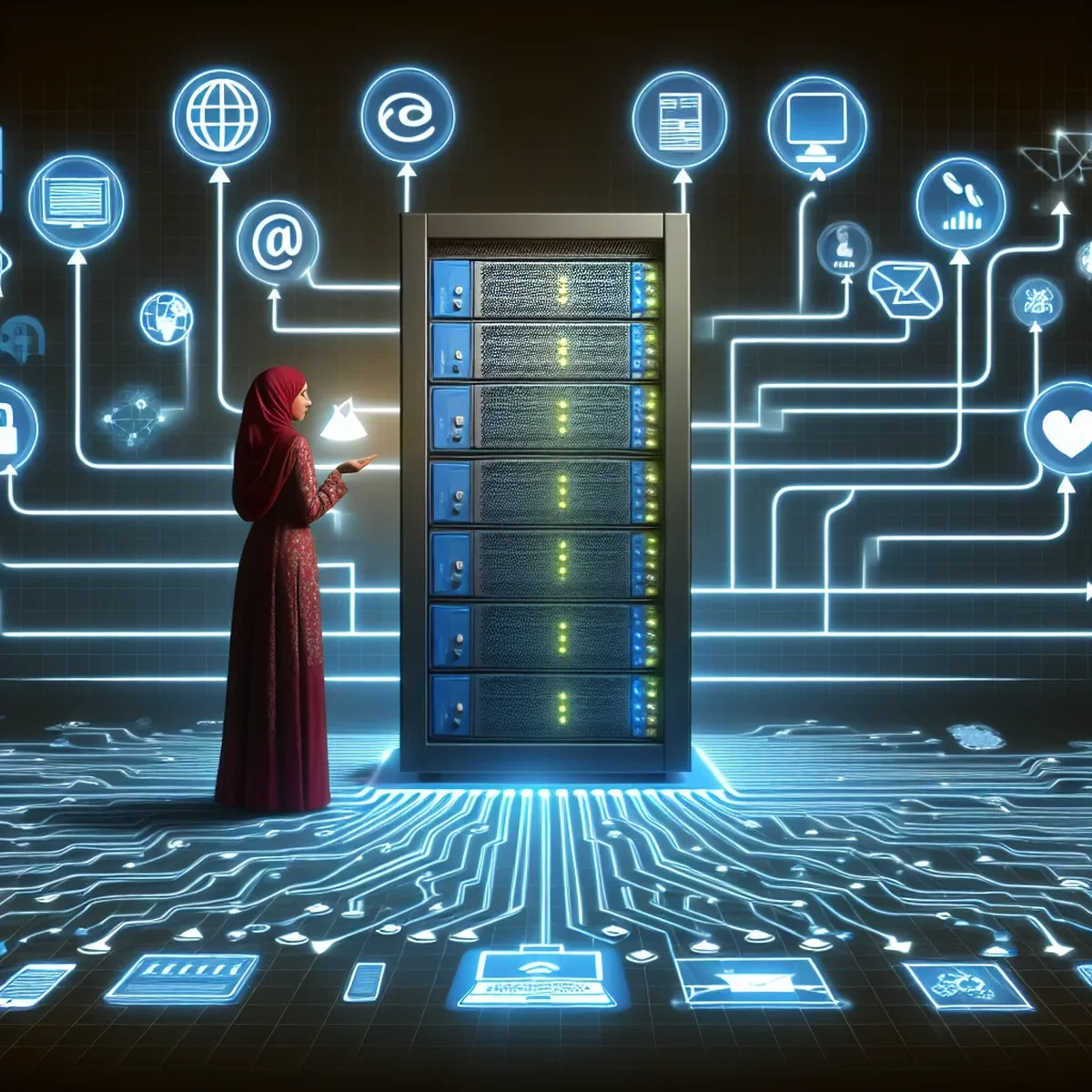
In today's digital age, the term "server" is ubiquitously mentioned across tech discussions, business meetings, and even casual conversations about the internet. But what exactly is a server? This post breaks down the concept, explores different types of servers, and explains their critical role in both internet functionality and business operations.
What Is a Server?
A server is a computer or system that provides resources, data, services, or programs to other computers, known as clients, over a network. In essence, servers are powerful machines that store, send, and process data. Unlike regular computers, they are designed to manage network resources and handle multiple requests from clients simultaneously.
Key Functions of Servers
Servers perform a variety of functions, depending on their designated role: - Web servers host websites and deliver web pages to users' browsers. - File servers store and manage files in a central location. - Mail servers facilitate email sending and receiving. - Database servers provide a central repository for database storage and management. - Application servers run applications for client use.
Types of Servers
Understanding the different types of servers can help businesses choose the right setup for their needs:
Dedicated Servers
Dedicated servers are single-tenant servers, meaning they serve one client or company. They offer maximum control and performance but at higher costs and increased maintenance needs.
Virtual Servers
Virtual servers, or Virtual Private Servers (VPS), are segregated parts of a physical server. Each segment acts as a dedicated server but shares physical resources like CPU, RAM, and disk space with other virtual servers.
Cloud Servers
Cloud servers are highly scalable and flexible, providing resources on-demand. They are hosted in a cloud computing environment and are ideal for businesses that need to scale up or down quickly based on demand.
Why Servers Matter in Digital Business
Servers are the backbone of any digital business. Here’s why they are indispensable:
Hosting and Content Delivery
A server's primary role in digital marketing and business operations is to host websites and ensure the smooth delivery of content to the end user. This is crucial for maintaining high performance and availability, which directly impacts user experience and SEO.
Data Storage and Management
Servers provide a central point for data storage, access, and management, which is essential for businesses that handle large volumes of data daily. Efficient data servers enhance data retrieval and transaction speed, boosting overall business efficiency.
Support for Various Applications
From enterprise applications like CRM and ERP to custom-built business applications, servers provide the necessary infrastructure to support and run these applications smoothly.
Conclusion
Servers are more than just hardware; they are the lifelines of modern digital infrastructure. Understanding the types of servers and their functions can help businesses make informed decisions about their IT infrastructure, ensuring they are equipped to handle the demands of modern digital operations.
By investing in the right server technology, companies can enhance their operational efficiency, improve customer experiences, and drive business growth. Whether it's through dedicated, virtual, or cloud servers, the right choice depends on specific business needs and budget considerations.
FAQ
- What is the primary function of a server?
- The primary function of a server is to manage network resources and serve data, applications, or services to other computers or clients on the network.
- How do servers impact digital marketing?
- Servers play a crucial role in digital marketing by hosting websites, storing data, and ensuring the efficient delivery of content to users, which is essential for SEO and user experience.