Understanding Headless CMS: Revolutionizing Website Management
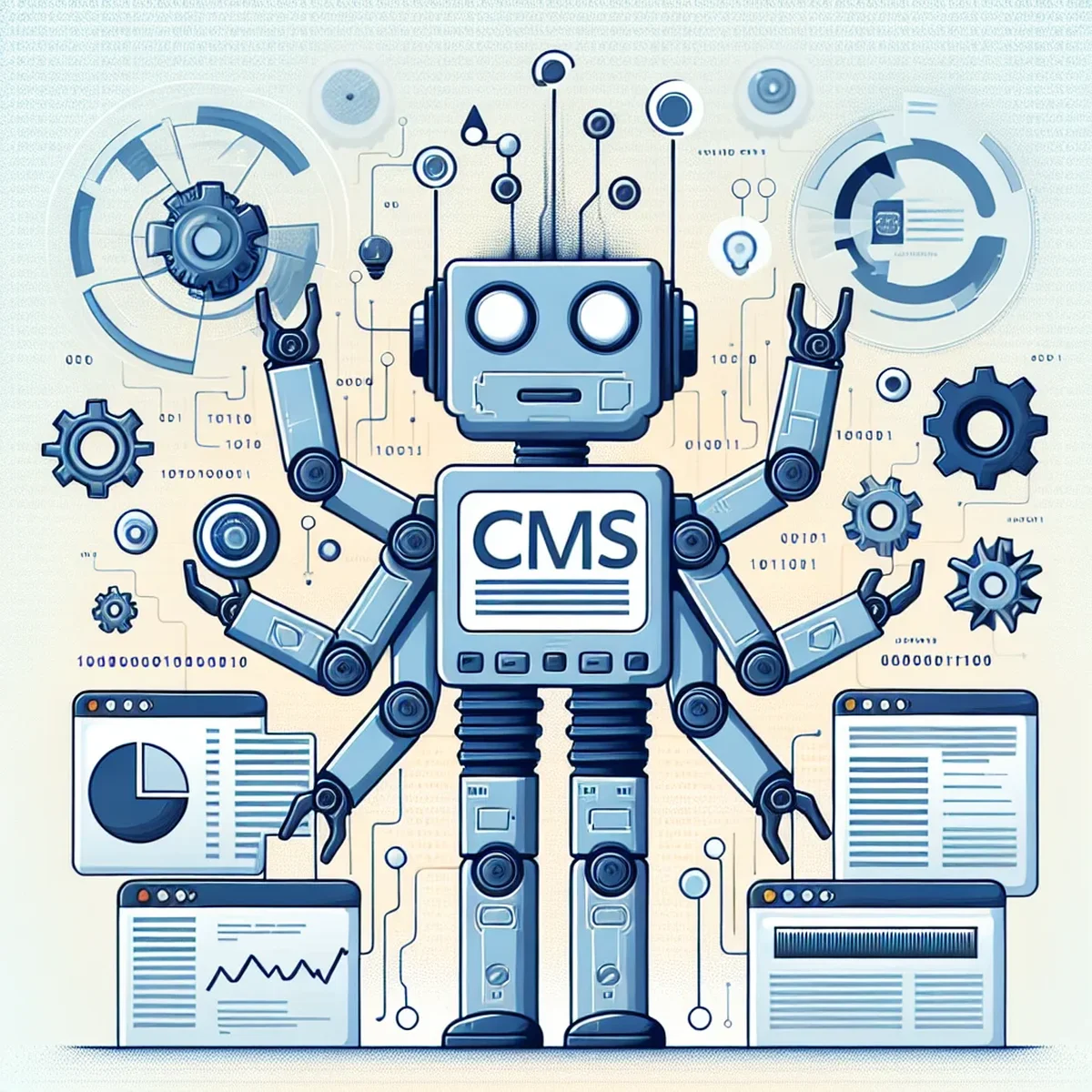
The digital landscape is ever-evolving, and the tools we use to manage content need to keep pace. A headless Content Management System (CMS) is rapidly becoming the go-to solution for many businesses looking to streamline their digital operations. Unlike traditional CMS platforms, a headless CMS offers unprecedented flexibility and efficiency. Let's dive deeper into what a headless CMS is and how it can transform your content management strategy.
What Exactly Is a Headless CMS?
A headless CMS is a back-end only content management system built from the ground up as a content repository that makes content accessible via a RESTful API for display on any device. The term "headless" comes from the concept of chopping the "head" (the front end, i.e., the website) off the "body" (the back end, i.e., the content repository). This separation allows developers to use any frontend tool to display the content, making it an excellent choice for managing content across multiple platforms, such as web apps, mobile apps, and even smart devices.
Key Differences from Traditional CMS
Traditional CMS platforms like WordPress or Joomla are often coupled, meaning they link the backend content management to the frontend presentation layer. This coupling can restrict the flexibility of developers and content creators.
Flexibility and Scalability
A headless CMS does not care about how and where your content gets displayed. You can use any technology to render your content, which means you're never locked into specific frameworks or languages. This flexibility allows for more creative solutions and can significantly improve the scalability of applications.
Enhanced Performance
Without the overhead of frontend rendering, a headless CMS can deliver content faster to any frontend application. This is particularly beneficial for businesses that prioritize speed and user experience across multiple platforms.
Security Advantages
Since the CMS does not manage the display layer, the surface area for attacks is significantly reduced. This separation helps enhance the security of your applications, protecting your content and user data more effectively.
Implementing a Headless CMS in Your Business
Transitioning to a headless CMS can seem daunting, but many tools and services make the process straightforward. Here are some practical tips:
Choose the Right Platform
Select a headless CMS that fits your business needs. Popular options include Contentful, Strapi, and Sanity. Each offers different features, so consider your requirements for scalability, security, and developer support.
Plan Your Content Model
Think about how you want to structure your content. A good content model is crucial for a successful headless CMS implementation. It should be flexible enough to accommodate future changes but structured enough to ensure consistency across all platforms.
Train Your Team
Ensure your content creators and developers understand how to use the new system. Training will help your team make the most of the CMS’s features and maintain efficiency.
Conclusion
A headless CMS represents a powerful shift in the way businesses manage and deliver digital content. By decoupling the content repository from the presentation layer, it offers flexibility, improves performance, and enhances security — all of which are crucial for modern digital strategies. Whether you are building complex websites, deploying content to mobile apps, or integrating with smart devices, a headless CMS can provide the robust backend you need to manage your content effectively.
Embracing this technology will not only future-proof your content management strategy but also enable more personalized and engaging user experiences across all platforms.
FAQ
- What are the primary benefits of using a headless CMS?
- A headless CMS offers flexibility, better performance, and is more secure compared to traditional CMSs, making it ideal for handling diverse content needs across multiple platforms.
- Is a headless CMS suitable for all types of businesses?
- While a headless CMS is versatile, it's particularly beneficial for businesses requiring robust multi-platform presence and those looking to tailor user experiences without backend constraints.