Understanding APIs: The Backbone of Modern Digital Interactions
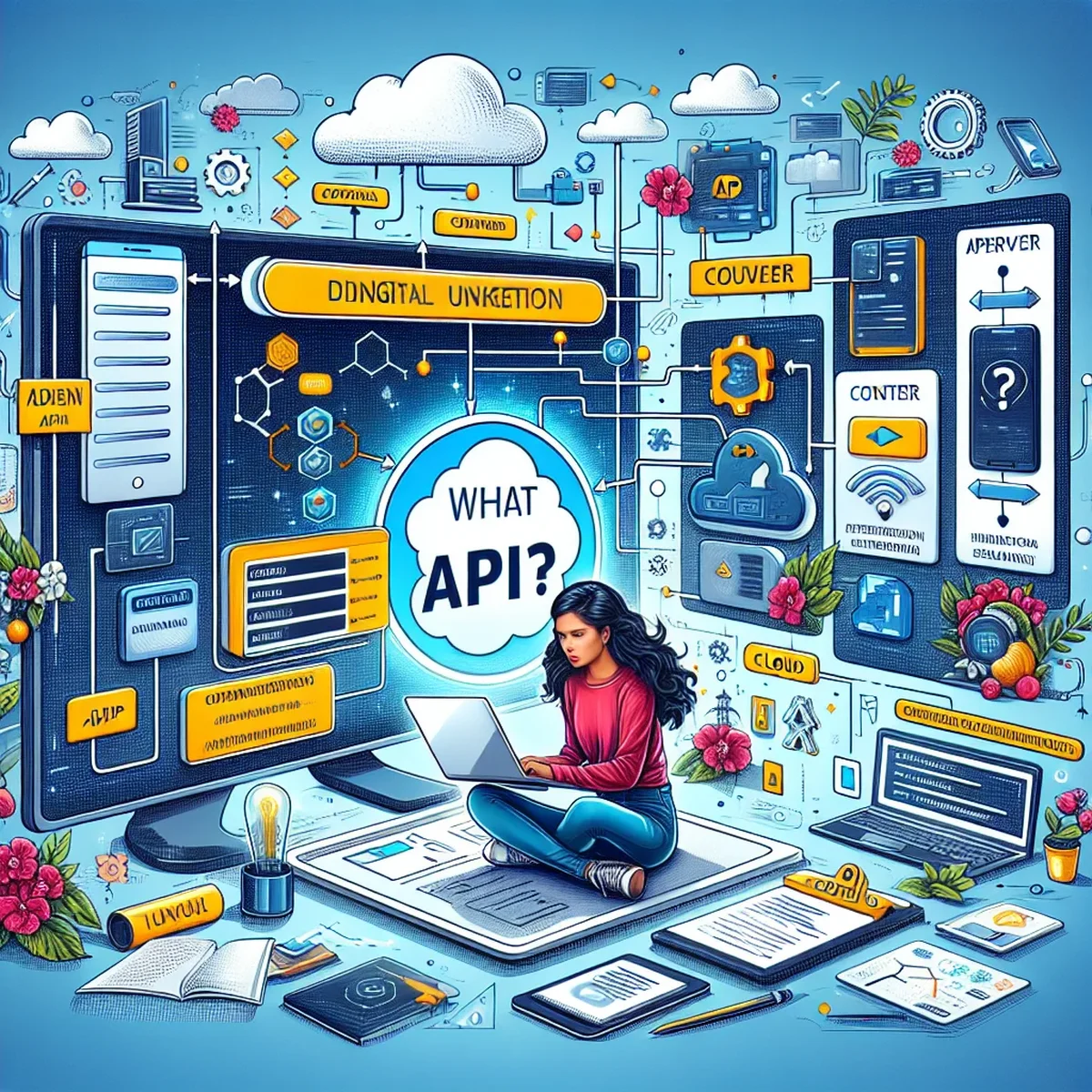
In the ever-evolving digital landscape, Application Programming Interfaces (APIs) stand out as integral tools that power interactions between different software applications. This article delves into what APIs are, outlines their key functions, and discusses their importance in various digital activities, particularly in marketing and business development.
The Role of APIs in Digital Technology
APIs allow different software systems to communicate with each other without human intervention. They enable features and data from one application to be used by another, effectively bridging the gap between different software products and platforms.
How APIs Function
An API acts as a messenger that takes requests, tells a system what you want to do, and then returns the response back to you. To understand this better, imagine ordering food from a restaurant. You have a menu (the API documentation), which shows you what you can order. When you decide, you tell the waiter (the API) your order. He delivers your order to the kitchen (the system or server), where your food is prepared and then brought back to you.
Types of APIs
- Public APIs: Also known as open APIs, they are available for any developer to use with minimal restrictions.
- Private APIs: These are internal APIs used within a company to improve products and services.
- Partner APIs: Exclusively shared and used between business partners to facilitate services that are mutually beneficial.
Benefits of APIs in Business
APIs offer numerous advantages, especially in the realms of digital marketing and business operations:
- Efficiency: Automation of tasks allows businesses to focus on core activities.
- Integration: APIs integrate seamlessly with existing systems, enhancing functionality and user experience.
- Scalability: Businesses can add or enhance features easily without starting from scratch.
- Innovation: APIs encourage innovation by enabling developers to build upon existing products and services.
Real-World Examples of API Usage
- Social Media APIs: Platforms like Facebook and Twitter provide APIs that allow businesses to automate posts and analyze user interactions.
- Payment Gateways: APIs from PayPal or Stripe simplify the integration of payment services on e-commerce sites.
- Maps and Location Services: APIs from Google Maps or Bing Maps are used to provide geographical data and visualization in various applications.
Implementing APIs in Your Business Strategy
To incorporate APIs effectively into your business or marketing strategy, consider the following steps:
- Identify Needs: Determine what business processes could be improved through API integration.
- Select the Right API: Choose APIs that align with your business goals and have robust support.
- Plan for Integration: Ensure your current system architecture can support new APIs. If not, consider necessary upgrades or changes.
- Monitor and Optimize: Continuously monitor API performance and user interaction to optimize its use and functionality.
Conclusion
APIs are more than just technical specifications; they are powerful tools that can transform business operations, enhance customer experiences, and open up new avenues for growth and innovation. By understanding and leveraging APIs, businesses can maintain a competitive edge in the digital marketplace.
Whether you are a marketer looking to automate your campaigns or a business owner seeking to streamline operations, understanding and utilizing APIs is critical. Start exploring the possibilities with APIs today to revolutionize your digital strategies.
FAQ
- What are some common uses of APIs in digital marketing?
- APIs are used in digital marketing for automating social media posts, integrating CRM systems, and gathering data analytics to improve customer engagement strategies.
- How can businesses ensure their API integrations are secure?
- Businesses should use APIs with strong authentication, ensure data encryption, and regularly update and monitor their API usage to prevent unauthorized access.