Mastering GraphQL: The Future of APIs in Digital Marketing
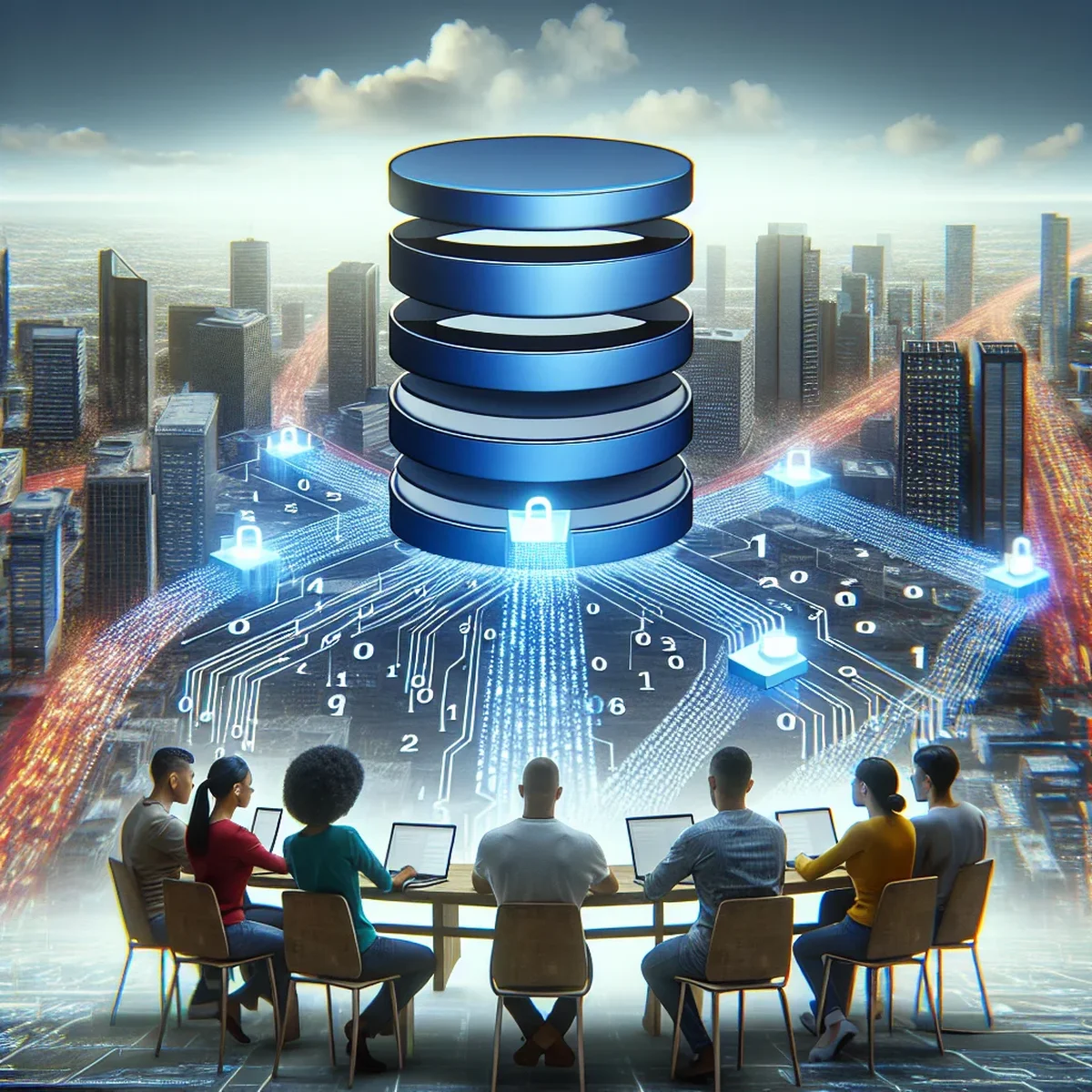
In the evolving world of digital marketing, having access to the right data at the right time is paramount. This is where GraphQL comes into play, revolutionizing how data is fetched from servers. Unlike traditional REST APIs, GraphQL provides a more efficient, powerful, and flexible approach to managing data. Let’s dive into what GraphQL is and explore its advantages for digital businesses and marketing agencies.
Understanding GraphQL and Its Core Concepts
GraphQL is a query language for your API, and a server-side runtime for executing queries by using a type system you define for your data. Developed internally by Facebook in 2012 before being publicly released in 2015, GraphQL has grown in popularity due to its declarative nature of data fetching.
Unlike REST, where you would typically retrieve data from multiple endpoints, GraphQL allows you to get all the data you need in a single request. You simply send a query to the GraphQL server specifying exactly what you need, and precisely that is what you get—nothing more, nothing less. This eliminates the over-fetching and under-fetching issues commonly associated with REST APIs.
Key Features of GraphQL
- Strongly Typed: Every GraphQL service defines a set of types which completely describe the set of possible data you can query on that service.
- Single Endpoint: GraphQL APIs use a single endpoint, unlike multiple endpoints in REST, making it simpler to work with.
- Real-Time Data with Subscriptions: GraphQL subscriptions maintain a steady connection to the server, allowing you to easily receive real-time data updates.
Why GraphQL is a Game Changer for Marketers
The ability to query exactly what you need has profound implications for digital marketing strategies:
- Efficient Data Loading: Reduces bandwidth usage and improves the performance of web applications, particularly important in mobile contexts.
- Rapid Front-End Development: Front-end developers can quickly build and iterate on features without needing backend adjustments for every change in data requirements.
- Personalization at Scale: Easier to fetch diverse data types from different sources, enabling highly personalized user experiences.
Example Use Case in Digital Marketing
Imagine a scenario where a digital marketing agency needs to pull user data, campaign statistics, and real-time comments for a dashboard. With REST, this might require hitting several endpoints. With GraphQL, a single query can retrieve all this information, simplifying development and reducing load times.
Best Practices for Implementing GraphQL
- Define Clear and Comprehensive Schemas: This is crucial for maintaining the structure and quality of the data.
- Use Query Performance Tools: Tools like Apollo Engine help monitor and secure your GraphQL endpoints.
- Implement Authorization and Authentication Layers: Security is paramount, especially when handling personal or sensitive data.
Transitioning from REST to GraphQL
Transitioning can seem daunting, but with the right strategy, it is manageable:
- Start Small: Integrate GraphQL gradually by setting up a proxy GraphQL server that translates GraphQL queries into REST API calls.
- Educate Your Team: Ensure that both your frontend and backend teams understand GraphQL’s advantages and functionality.
- Leverage Developer Tools: Utilize tools like GraphiQL for schema exploration and debugging.
In conclusion, GraphQL represents a significant leap forward in API technology, offering tailored, efficient data fetching that can drive better business decisions and user experiences. As digital landscapes become more data-driven, GraphQL is not just an option; it’s becoming essential for staying competitive. Dive into the potential of GraphQL and transform how your organization interacts with data.
FAQ
- Why should digital marketers care about GraphQL?
- GraphQL offers more efficient data fetching, which can lead to better performance of digital applications, enhancing user experiences and facilitating more dynamic and personalized marketing strategies.
- How does GraphQL improve API requests?
- GraphQL allows clients to request exactly the data they need, reducing the amount of data transferred over the network and improving response times and application performance.