Exploring Jamstack: The Future of Efficient Web Development
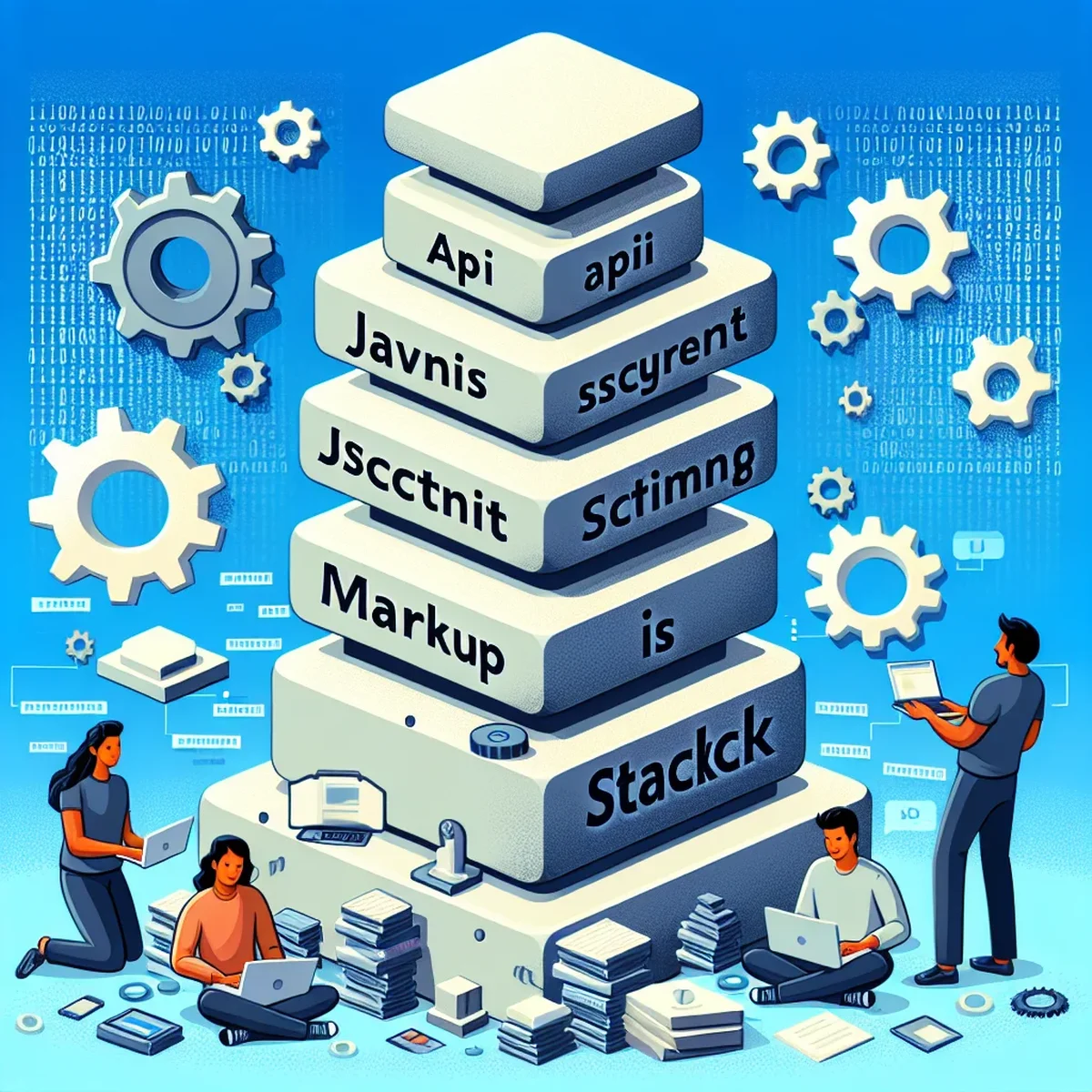
Jamstack represents a modern web development architecture that redefines how websites are built, deployed, and maintained. This approach focuses on maximizing performance, enhancing security, and providing a scalable environment for the web. It's particularly beneficial for marketing agencies and digital business owners looking to improve their online presence.
What is Jamstack?
Jamstack stands for JavaScript, APIs, and Markup. It is a design philosophy aimed at building faster and more secure websites by pre-rendering files and serving them directly from a Content Delivery Network (CDN). This setup bypasses the need for a traditional server-side backend, reducing points of failure and potential security vulnerabilities.
Key Components of Jamstack
- JavaScript: Handles dynamic functionalities in the client-side, interacting with APIs for any backend operations.
- APIs: Server-side operations or database actions are abstracted into reusable APIs, accessed over HTTPS with JavaScript.
- Markup: Static HTML pages are pre-built at deploy time, typically using a site generator for templates and content fetched from a headless CMS.
Benefits of Using Jamstack
Speed and Performance
By serving pre-built markup and assets from a CDN, websites load faster than those relying on traditional server-side rendering. This speed is a significant advantage in SEO and user experience, directly correlating with better engagement and conversion rates.
Enhanced Security
With server-side processes abstracted into APIs and minimal server infrastructure, the surface for attacks is significantly reduced. This setup limits potential vulnerabilities typically exposed by server-side languages and databases.
Scalability
The CDN-based distribution nature of Jamstack allows handling increased traffic effortlessly without the need for complex scaling strategies. This is particularly useful for content-heavy sites and those with global audiences.
Practical Applications and Examples
For Marketing Agencies
Agencies can leverage Jamstack to build robust websites for clients that load quickly, rank well in search engines, and are less vulnerable to web attacks. Examples include portfolio sites, blogs, and corporate websites where content changes are infrequent but must be delivered rapidly to visitors.
For E-commerce
While Jamstack is excellent for static sites, dynamic e-commerce platforms can also benefit by using APIs for tasks like inventory management, payments, and user authentication. This approach provides a seamless user experience with improved load times and better security during transactions.
Getting Started with Jamstack
Selecting a Static Site Generator
Choose a static site generator, such as Hugo, Gatsby, or Next.js, based on your project's requirements and the development team's familiarity with the technology.
Headless CMS Integration
Integrate a headless CMS like Contentful, Sanity, or Strapi to manage content dynamically and publish it to your Jamstack site.
Deployment and Hosting
Deploy your site on hosting platforms that support Jamstack architectures, such as Netlify, Vercel, or AWS Amplify. These services offer global CDN, continuous deployment, and other modern web development features.
Conclusion
Jamstack is not just a trend but a substantial shift in how we think about web architecture. It offers numerous benefits that can lead to more secure, performant, and maintainable websites. As the web continues to evolve, Jamstack could play a pivotal role in shaping its future, making it an essential consideration for any digital business or marketing agency aiming to stay ahead in the online space.
FAQ
- How does Jamstack improve website performance?
- Jamstack improves performance by serving pre-built markup and assets over a CDN, reducing server processing times and potential delays.
- Is Jamstack suitable for all types of web projects?
- Jamstack is ideal for websites that require high performance and security but may not be the best fit for highly dynamic sites without additional solutions.