Exploring Full-Stack Development: A Comprehensive Guide for 2025
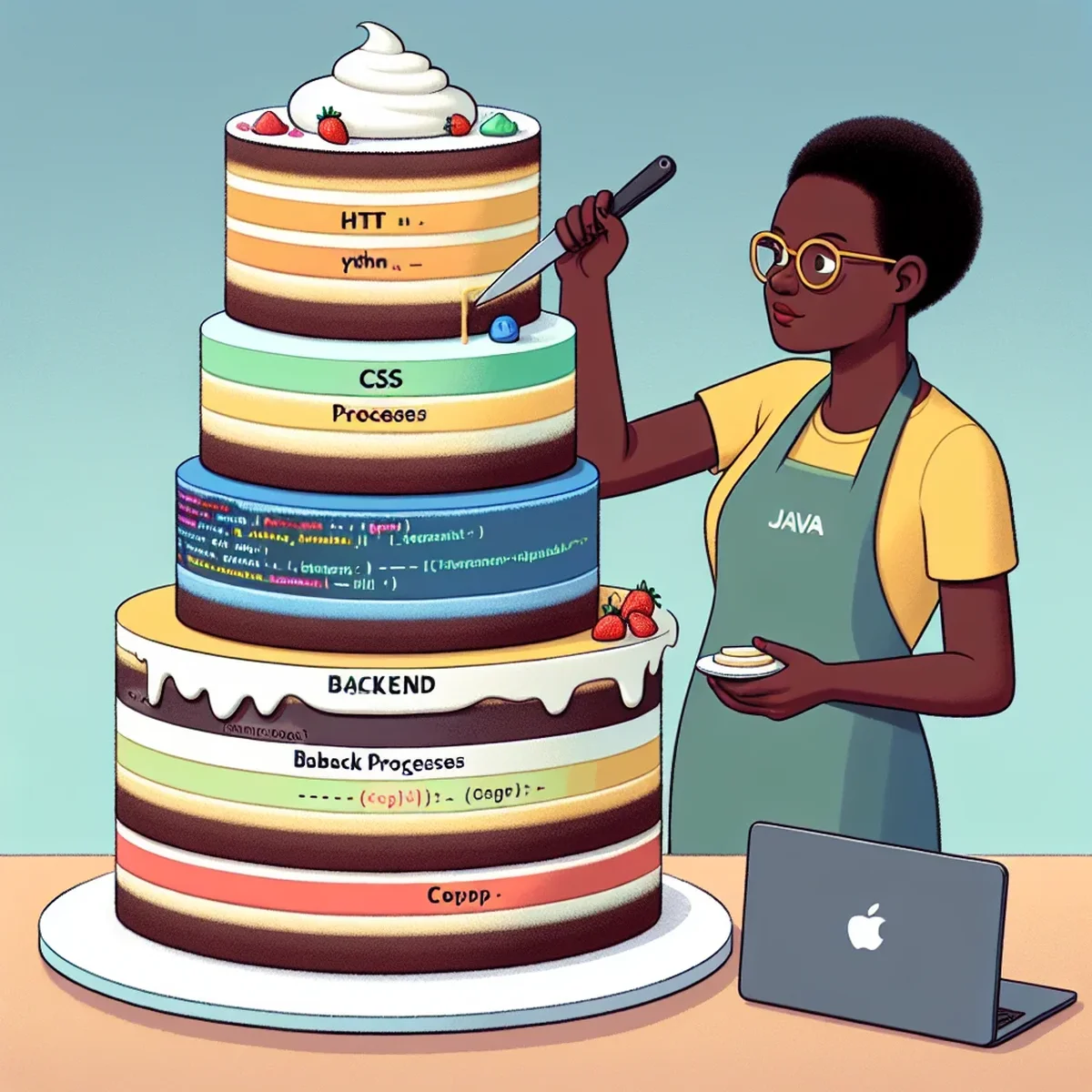
Full-stack development is a dynamic field that continues to evolve with the advancements in technology. As businesses strive for more integrated and efficient digital solutions, the role of a full-stack developer becomes increasingly crucial. This post delves into what full-stack development entails, the skills required, and its benefits to businesses.
Understanding Full-Stack Development
Full-stack development involves handling both the front-end and back-end parts of web applications. This dual capability enables developers to manage projects from concept to completion, providing a cohesive user experience and streamlined backend functionality.
Front-End Development: The User Interface
The front-end or client-side of a web application is what users interact with. It includes everything the user experiences directly: from graphics and page layouts to interactivity and navigation. Front-end developers typically use languages like HTML, CSS, and JavaScript to bring site designs to life.
Back-End Development: Behind the Scenes
The back-end or server-side of an application is where the data processing happens. It's responsible for managing the database interactions, user authentication, and server logic. Technologies commonly used in back-end development include Python, Ruby, PHP, and Node.js, among others.
Key Skills for Full-Stack Developers
Becoming a full-stack developer requires a broad skill set, not only in coding and programming but also in project management and problem-solving.
Technical Proficiency
A proficient full-stack developer must understand:
- Front-end technologies such as HTML5, CSS3, JavaScript, and frameworks like React or Angular.
- Back-end technologies including server, application, and database management using tools like Express, Django, and MongoDB.
- Version control systems such as Git to track changes and collaborate with other developers.
Design and UX Understanding
An overlooked aspect of full-stack development is the ability to appreciate design and user experience (UX) principles. Developers must ensure that the application is not only functional but also user-friendly and aesthetically pleasing.
Benefits of Full-Stack Development for Businesses
Integrating full-stack development into your business can lead to several advantages:
- Streamlined Workflow: Having a single team or individual manage both front-end and back-end development can streamline project workflows and reduce communication overhead.
- Cost Efficiency: Full-stack developers can work on multiple aspects of a project, potentially reducing the need to hire multiple specialists.
- Flexibility: With comprehensive knowledge of both front-end and back-end, full-stack developers can quickly adapt to changing project requirements.
Real-World Applications
Many successful digital platforms leverage full-stack development to maintain robust, scalable, and efficient applications. For instance, companies like Netflix and Airbnb use full-stack capabilities to ensure seamless user experiences and handle vast amounts of user data.
Preparing for the Future
As technology evolves, so does the role of the full-stack developer. Keeping up-to-date with the latest programming languages, frameworks, and best practices is essential for developers looking to stay relevant in this dynamic field.
Conclusion
Full-stack development is more than just a skill set; it's a crucial component in building and maintaining innovative web applications. As we move forward, the integration of new technologies and frameworks will undoubtedly continue to shape the landscape of full-stack development.
For businesses and developers alike, understanding and leveraging the full potential of full-stack development will be key to adapting and thriving in the digital age.
FAQ
- What skills are essential for a full-stack developer?
- A full-stack developer should be proficient in front-end and back-end technologies, including HTML, CSS, JavaScript, and at least one server-side language like Python or Node.js.
- How does full-stack development benefit a digital business?
- Full-stack development offers versatility, faster project turnaround, and cost efficiency by handling all aspects of web and software development.